The Highest-Leverage Move
The executive who wins a physical confrontation has still paid a significant price: legal, reputational, professional. The one who avoids it pays none.

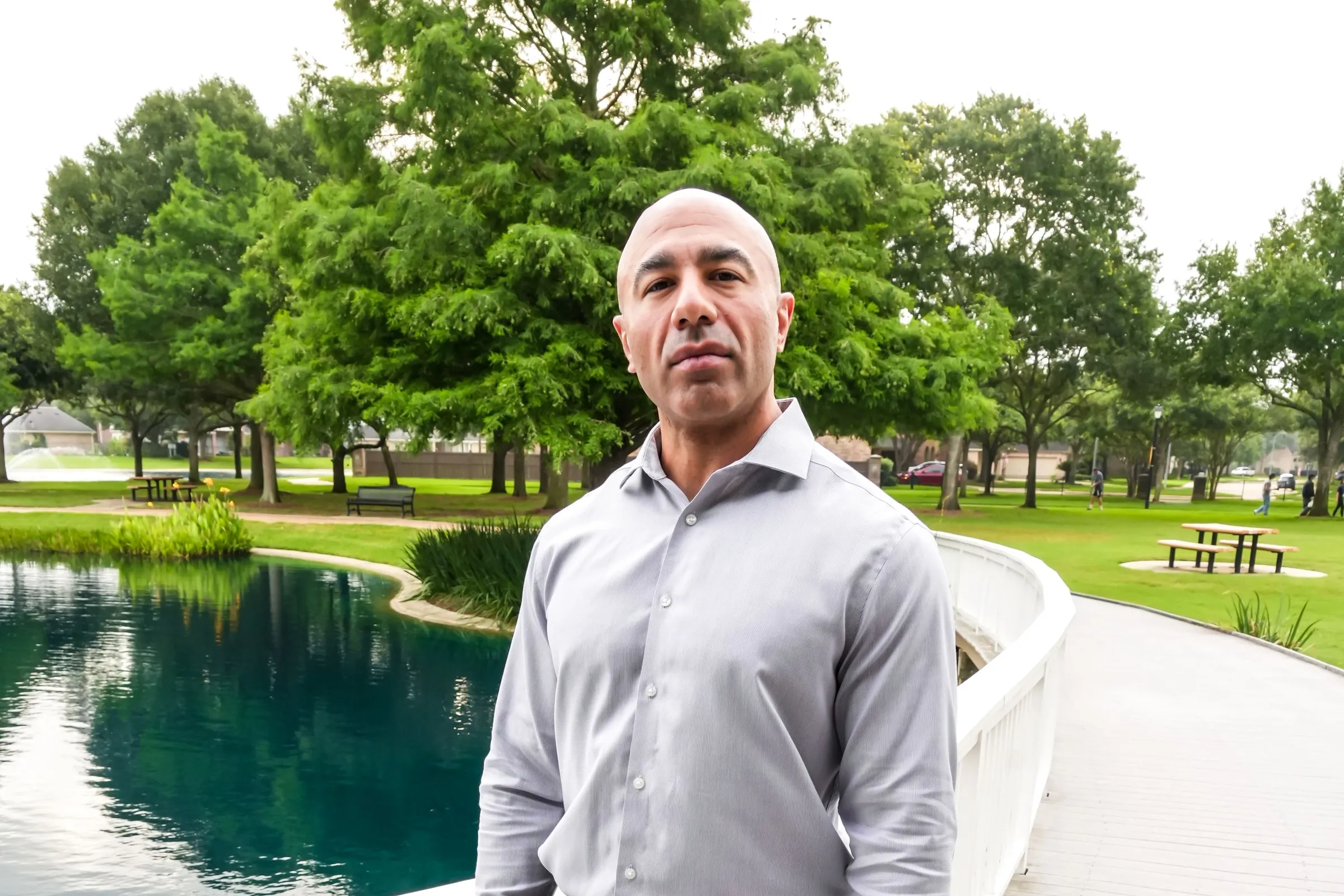
The executive who wins a physical confrontation cleanly has still paid a significant price.
A police report. A formal statement. Possible grand jury review in some jurisdictions. A public record of a physical incident. Questions from an employer, a board, or clients who read the news. The professional context of the narrative that surrounds the incident, which is not controlled by the facts alone. The civil proceeding that may follow the criminal one, with its own timeline and its own cost.
He won. He still paid.
The executive who avoids the physical confrontation has paid none of those prices. That is not a philosophical point. It is the governing strategic logic of Dimension Two.
The highest-leverage move in executive self-defense is avoidance: the trained ability to recognize a developing situation early and exit before it requires a physical response. It works because it eliminates every downstream cost of a confrontation, legal, reputational, physical, before any of them can accrue. Capability under pressure matters, but it is the second-highest-leverage move, not the first.
Avoidance Is Not Passivity
The most common misread of avoidance is that it is the absence of a response: the timid option, chosen by someone who lacks the capability or the nerve to handle a physical exchange.
That reading is wrong in a specific and important way.
Avoidance is a practiced set of capabilities: verbal, spatial, cognitive, and decisional. The executive who has built avoidance as a genuine skill is not avoiding confrontation out of an absence of capability. He is choosing the outcome that costs the least and produces the best result, the confrontation that never happened. That choice is available to him because he has built the specific capabilities to execute it. It is not available to the person who lacks those capabilities.
The executive who avoids confrontations simply because he is fortunate, or because nothing has happened yet, has not built anything. He has only waited. The executive who has internalized avoidance has rehearsed exits, built verbal habits, and developed the environmental attention that gives him options before they are needed.
What the Verbal Exchange Is Actually For
Verbal de-escalation is the most frequently misunderstood capability in this dimension.
Most instruction focuses on what to say. The more important question is what the goal actually is. The goal of verbal de-escalation is not to win the exchange. It is to exit the situation without physical contact. These are different objectives, and confusing them is one of the primary causes of escalation in situations that did not have to become physical.
The executive in a potential confrontation may be entirely in the right. The other person may be unreasonable, aggressive, or threatening. None of that changes the strategic objective. Pride, principle, and being correct are not tools in this exchange. They are obstacles to it.
With that objective established, the specific elements follow.
Voice: a lowered register, deliberate pace, and an even modulation signal the absence of threat and tend to pull an elevated emotional state downward rather than upward. Matching an aggressive person’s volume is the natural instinct under stress. It escalates. The deliberate contrast, a tone lowered on purpose, de-escalates.
Posture: non-threatening body language, hands visible and open, body angled slightly rather than squared, distance maintained, communicates the absence of aggression while preserving options if the verbal exchange fails. Aggressive posture and clenched fists communicate threat and raise the probability of a physical response.
The face-saving exit: this is the most practically important element and the one most rarely taught. A person who is emotionally elevated will resist resolution if it requires him to lose face publicly. The verbal move that resolves most escalations is the one that gives the other person a path out that does not require him to back down visibly. This is not manipulation. It is an accurate understanding of how emotional arousal and social dynamics interact, applied toward the outcome that benefits everyone.
Environment Habits Determine Exposure Before Situations Develop
The second component of avoidance operates before a specific situation has developed. It is the set of habits that reduce exposure across every environment the executive moves through.
Most risk is not randomly distributed. It is concentrated in specific locations, times, and configurations. The executive who has learned to read these concentrations and position himself accordingly is not being paranoid. He is applying the same analytical approach he would apply to any other risk domain.
In stationary environments: a restaurant, a hotel bar, a client dinner, the seat with the wall behind it and sight lines to the entrance is not a tactical affectation. It is a habit that compounds over years into a significantly different default relationship with every environment. The table not in the direct sightline of the door. The position near an exit that does not require crossing the space to reach.
In mobile environments: the parking structure, the unfamiliar street, the ground transit zone, the habits of movement create or reduce exposure. Moving with deliberate pace and directional certainty, rather than the distracted movement of someone who is not paying attention, changes the profile presented to the environment. Predatory behavior research is consistent on this: individuals who present as uncertain or inattentive are more frequently selected.
Phone discipline is the single most practical avoidance habit most executives are not running. The smartphone narrows the visual field to six inches, eliminates peripheral attention, and presents the behavioral profile of someone who is definitively not in the environment. In low-risk settings, this is a minor cost. In a parking structure at night, in unfamiliar ground transit, in a city arrived in two hours ago: it is a meaningful vulnerability.
The Decision Window Closes Before Most Executives Recognize It
The most critical element of avoidance is the decision window.
Every developing situation has one. It is the period between early recognition that something is heading in a bad direction and the moment, shortly after, when exit is no longer a clean option. The executive with trained awareness recognizes situations early enough that the window is still open. The one without trained awareness frequently recognizes them after it has closed.
The challenge is not recognizing the window. It is acting through it when acting requires abandoning the social norms of the interaction. The instinct not to appear rude, not to create a scene, not to be wrong about what this is: these are legitimate social impulses that become obstacles in a developing situation.
The discipline is this: when enough is recognized to act, then take action. The cost of acting and being wrong is embarrassment, which dissipates in minutes. The cost of not acting and being right does not dissipate at all.
Acting through the decision window does not require drama. Clean exit through a decision window is often invisible to everyone in the environment except the executive who chose it. He moves, leaves, repositions, or creates distance before the situation has crystallized into something requiring a different response. That movement, executed calmly, leaves nothing to escalate.
The Executive Who Never Has the Story
There is a version of the trained executive that most people do not recognize as what it is.
He is not the one with stories about confrontations he won. He moves through environments with a certain quiet competence: aware, positioned, unhurried and confident. Things do not seem to happen to him. The situations that develop toward danger resolve before they mature, because he moved through the decision window cleanly or because the way he carried himself through an environment made him the wrong selection from the beginning.
The executive who never has a story about the confrontation he won is not lacking capability. He is the executive who built the capability that ensured it never happened. The outcome of avoidance is indistinguishable from good fortune, to anyone who is not paying close attention.
That is the highest-leverage move in the system. And it is why it is built before the techniques that follow.
For executives who want to build avoidance as a practiced capability rather than rely on fortune, the Discovery Call is where that conversation starts.